Diagnoses Background:
Diabetes was first discovered in the 1500s, we know this because it is mentioned in “Egyptian medical papyri” (DRC). A bit similar today, it was diagnosed by signs of frequent urination, however, physicians tasted the diabetics urine (yes, I said tasting, pretty nasty), and if it was sweet, they were diagnosed. After these diagnoses, the treatment was a low-carb diet, which only granted them a little amount of time left.
Finding the Pancreas’ role and what is Insulin?
In 1989, two German physicians’ found the pancreas was what regulated blood sugar. While this helped the discovery of insulin in the 1920s, those who were diagnosed before insulin, were basically sentenced to death. A Canadian doctor Banting and his assistant were successful in the extraction of insulin through experimentation. This changed the lives of diabetics forever. Their first patient was Leonard Thompson, a 14-year-old boy. He received the first insulin injection ever, which extremely improved his health (DRC).
Insulin pumps and Glucose testing:
About 40 years later, more advancements were created. The ability to test blood glucose levels was created as well as insulin pumps. Now these are not the same insulin pumps we see today, but they were huge backpacks that had both insulin and glucose. These were mainly for diabetics who were hospitalized and needed closer attention (DRC).
In 1980, they found out how to use human insulin rather than pigs and cattle, this allowed for closer a DNA match and made the insulin work better within people. With human insulin and glucose meters becoming better, faster, and more precise, the quality of life has risen for us (DRC).
CGMs:
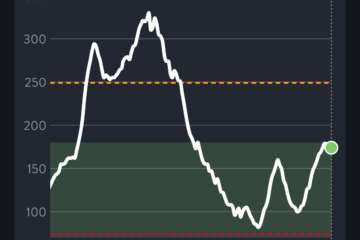
As diabetics now know and mostly use, CGMs (continuous glucose monitors) were created in the early 2000. These help us regulate our blood sugars even better than before. When I was diagnosed in 2016, I was able to use Dexcom g4. Even though it hurt to put on, it saved me from thousands of finger pricks. Now we have the Dexcom g7, which they are trying to work on the precision on reading blood sugar, but we also have other companies who are consistently growing.
Tech Companies:
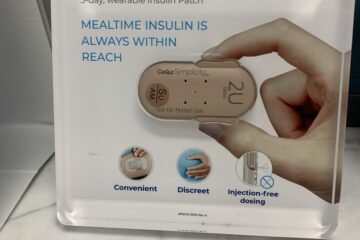
Dexcom, Abbott, Medtronic, Senseonics, and Insulet are the major companies who are improving our daily lives. I have been a long user of Dexcom until recently, now I am using Libre for my CGMs. I have also used an Omnipod Pump for a few years when I was younger. However, I am hoping to switch from shots to Tandem Mobi soon. (I’ll let y’all know how it goes ;D).
Islet Cell Transplant:
As of recent, there has been a islet cell transplant trial. This is where they “infuse insulin-producing cells” from a donors pancreas into the patients liver. The hope of this is to restore blood sugar regulation. The only downside is having to take immuno-suppressants for the rest of your life. You can weigh them out, maybe taking a pill everyday would not be the worst! So, while this would restore the regulation of blood sugar, I would not say it fully earns the term “cure”.
What this “Cure” Means to Me:
A cure for me, means that you do not have to worry about taking medicine for the chance for a disease or illness to come back. Also, if you take immunosuppressants does that not make it seem like you will just be sick all the time from other illnesses? So instead of being sick all the time with Type 1 Diabetes, you get sick easily with infections and whatnot.
If you liked this blog, I am sure you would enjoy checking out any of my social media platforms! You can find them at the top of my page! Thank you guys!
Peace
Gracie
Also, I big help from “diabetes research connection”, check out the link below to get more information about the background of T1D.
https://diabetesresearchconnection.org/the-fascinating-history-of-diabetes-mellitus/